Commercial land appraisal in California
Retail pads, industrial yards, highway frontage, and land under ground lease. Commercial land trades on location, zoning, and what a tenant or user will pay to be there.
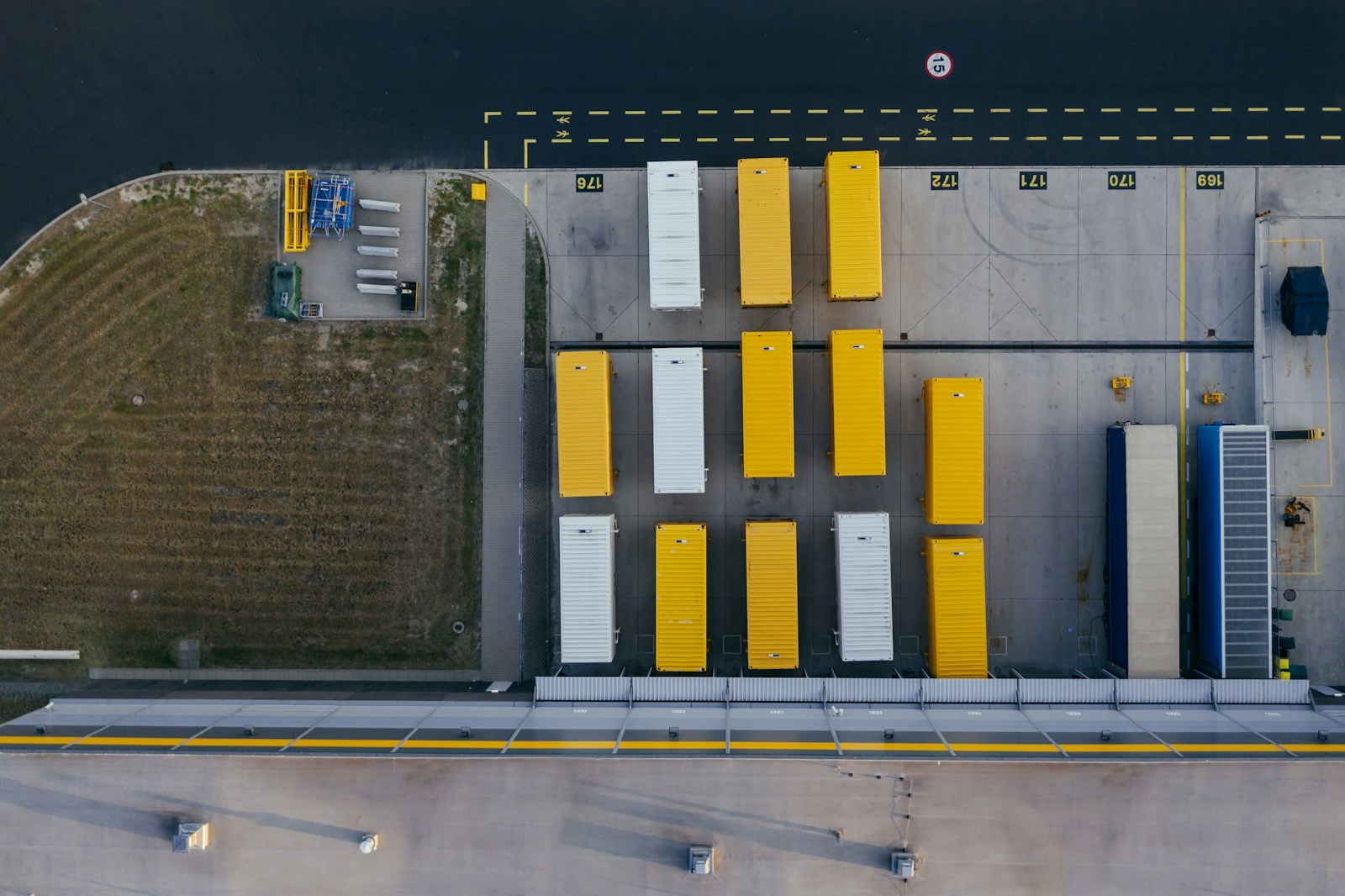
A commercial land appraisal values a site zoned for retail, office, industrial, or other business use. Unlike rural land, commercial sites are usually compared on price per square foot of land. Small differences in visibility, access, and allowed uses can swing that number widely. We look for sales of sites that a real tenant or user would treat as substitutes for yours.
Types of commercial land
| Property | Usual unit of comparison | What moves value most |
|---|---|---|
| Retail pad | $ per land sq ft | Traffic, visibility, signalized access, anchor tenants, drive-thru rights |
| Industrial land | $ per land sq ft | Freeway access, parcel size, zoning, power, truck circulation |
| Outdoor storage yard | $ per land sq ft | Permitted yard use, paving, fencing, entitlement for truck parking |
| Office or mixed-use site | $ per buildable sq ft | Allowed floor area, parking requirements, and the local market for new space |
| Ground-leased land | Capitalized ground rent | Rent, term remaining, escalations, and tenant credit |
Retail pad sites
A pad is a small parcel, often in front of a shopping center, sold or leased to a restaurant, bank, or service tenant. Its value depends on how many cars pass it and how easily they can turn in. We use state and local traffic counts, such as Caltrans traffic volumes for state highways. We also review the recorded agreements that often govern pads inside a center: reciprocal easements, use restrictions, and exclusives that can bar whole categories of tenants.
Industrial land and yards
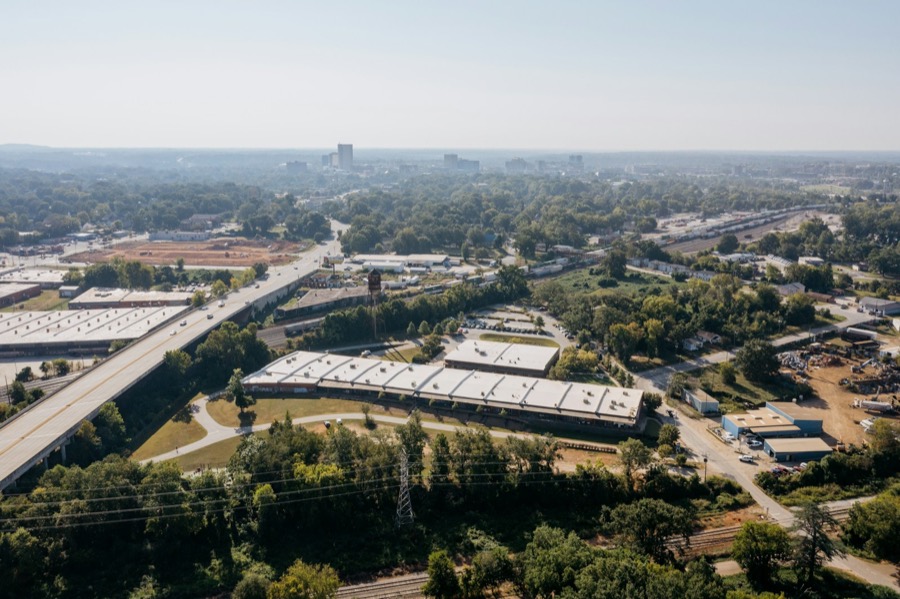
Demand for industrial land in California has been driven by logistics, and many jurisdictions now restrict new truck yards and warehouses. That makes zoning and existing permits central to value. A yard with a legal, permitted outdoor storage use can be worth much more than an otherwise identical parcel where that use would need a new approval. We confirm what's permitted today rather than assuming it.
Ground-leased land
When land is leased to a tenant who owns the building, the owner's interest (the leased fee) is valued mostly on its income: the ground rent, how it escalates, the remaining term, and the tenant's credit. That can be very different from what the same land would sell for vacant. We tell you which interest we're valuing (leased fee, leasehold, or fee simple), because a lender, a buyer, and a tax advisor may each need a different one.
Environmental conditions
Former gas stations, dry cleaners, and industrial sites can carry contamination that affects value. An appraiser isn't an environmental consultant. Unless you give us a report, the appraisal assumes the site is free of contamination, and it will say so. If a Phase I Environmental Site Assessment exists, send it with your request, because it can change which comparable sales apply.
Questions
Is price per square foot the only measure you use?
No. It's the most common for retail and industrial land, but mixed-use and multifamily sites are often compared per buildable unit or per square foot of allowed floor area, and ground-leased land is valued on its income.
Can you value just the land under an existing building?
Yes. Owners, lenders, and tax advisors sometimes need the land value separately, for example for a ground lease or a depreciation allocation. We value the land as if vacant and available for its highest and best use.
Do I need an environmental report first?
No, but if one exists, send it. Without one, the report assumes no contamination, which may not be right for a former industrial or fuel site.
What does a commercial land appraisal cost?
Commercial and industrial land starts at $1,995. Multiple parcels, ground leases, or complex zoning raise the quote, and you'll see a fixed fee before any work starts. See pricing.
Send the address or APN and what the value is for. You'll get a fixed quote within one business day.