Why vacant land is harder to value than a house
Few sales, wide price ranges, and the importance of access, utilities, and slope. What makes raw land tricky, and how a good appraisal handles it.
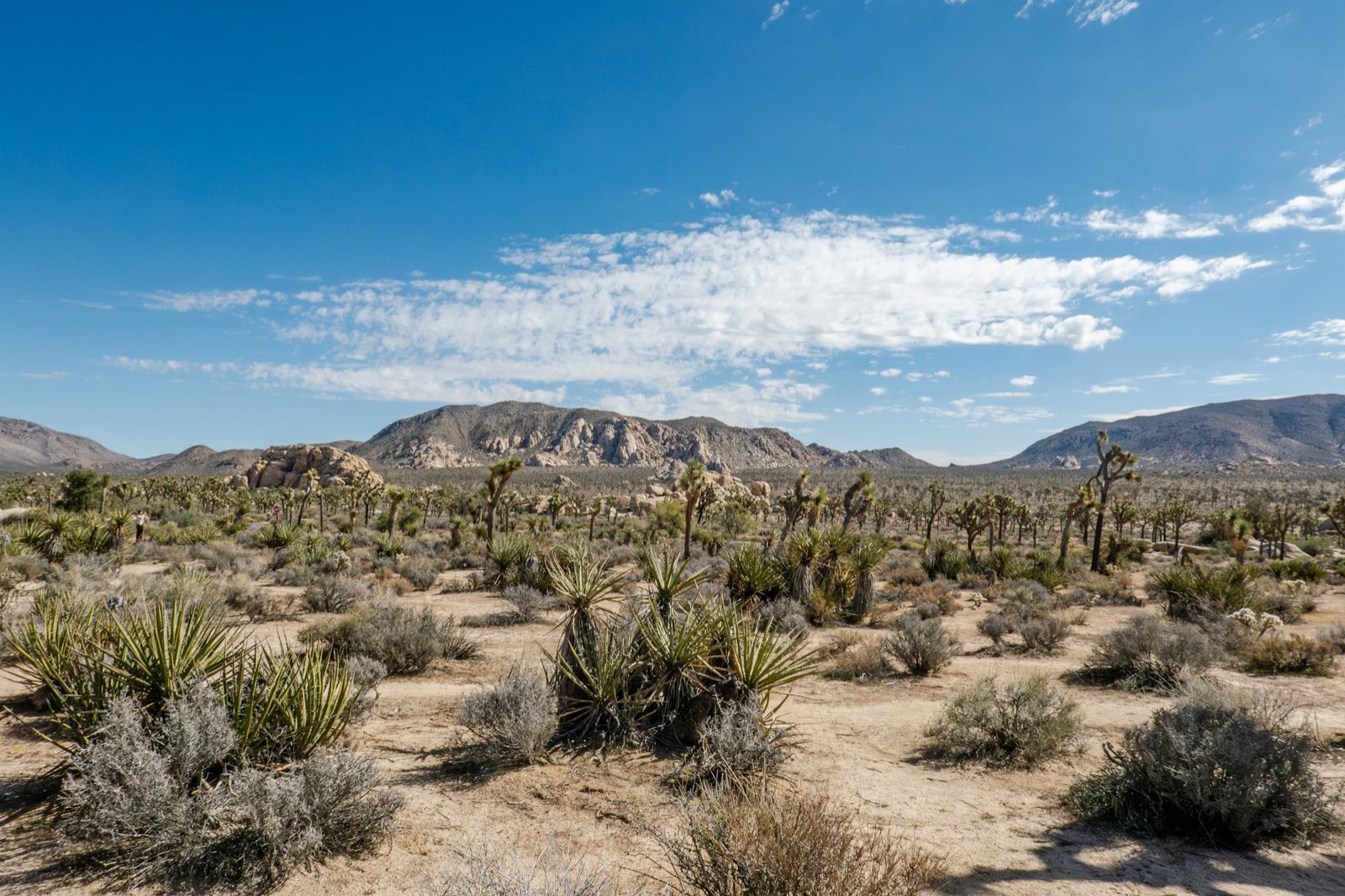
Appraising a typical house is, in a sense, a well-worn path. There are usually plenty of similar homes that sold nearby in the last few months, and they're alike in the ways that matter. Vacant land is different. Sales are fewer, the parcels vary more, and the things that decide value are often invisible from the road.
Here's what makes land harder to value, and how an appraiser handles each problem.
1. There are fewer sales, and they're less alike
In a rural county, there may be only a handful of land sales of a similar size in a year. Those that exist can differ in almost every way: acreage, topography, access, views, utilities, zoning. Asking prices are often wildly optimistic, and many parcels sit on the market for years.
An appraiser deals with this by widening the search, both in distance and in time, and then carefully adjusting for the differences. Each sale is verified with a buyer, seller, or agent when possible, because land sales often involve something unusual: a neighbor buying to expand, a seller carrying the financing, a sale between relatives, or a buyer who didn't do their homework. The report should say which sales were given the most weight and why.
2. Size changes the price per acre
Land usually sells for less per acre as parcels get bigger. A 2-acre homesite might sell for $60,000 per acre while a 200-acre parcel nearby sells for $6,000 per acre, because far fewer buyers can afford or use the larger one. Comparing parcels of very different sizes without adjusting for this is one of the most common appraisal errors. The adjustment should be supported by sales in that market, not a rule of thumb.
The things that decide land value are often invisible from the road.
3. Access: legal and physical
A parcel needs both legal access (a recorded right to get there, over a public road or an easement) and physical access (a road you can actually drive). Plenty of California land has one without the other. An old dirt track across a neighbor's ranch isn't legal access. A recorded easement up a canyon that's never been graded isn't practical access.
Landlocked parcels can sell at deep discounts, and the report should say whether access is insured by title, disputed, or simply assumed.
4. Utilities, wells, and septic
For rural land, the cost and feasibility of utilities can decide whether a parcel is a buildable homesite or just open space:
- Water. Is there a municipal or mutual water company connection, or will a well be needed? What have nearby wells produced, and how deep did they go?
- Wastewater. Will the county environmental health department approve a septic system? A failed percolation test can drastically reduce a parcel's value.
- Power. How far away is the nearest line? A long line extension can cost tens of thousands of dollars, and solar with storage is now a common alternative.
5. Is it a legal lot?
This surprises many owners. In California, a parcel with its own APN isn't necessarily a legal lot that can be sold and built on separately. Parcels created by deed in violation of the Subdivision Map Act may need a Certificate of Compliance from the county before they can be developed. Old "paper subdivisions," with lots mapped decades ago that were never given roads or utilities, are common in parts of the desert and foothills, and they often sell for very little.
An appraiser checks county records and, where there's doubt, states the assumption the value relies on.
6. Slope, hazards, and regulation
Physical and regulatory constraints can remove much of a parcel from use:
- Topography. Steep slopes raise grading costs and can shrink the buildable area to almost nothing.
- Fire. Land in a CAL FIRE Very High Fire Hazard Severity Zone faces stricter building and defensible space rules, and insurance can be hard to get. In recent years that has become a real factor in what buyers will pay.
- Flood and geology. FEMA flood zones, Alquist-Priolo earthquake fault zones, and landslide areas all limit where and how you can build.
- Special jurisdictions. Land in the Coastal Zone needs a Coastal Development Permit. Habitat for protected species, wetlands, and oak woodland rules can also limit development.
7. What a good land report shows
Because so much of a vacant parcel's value is in these details, a land appraisal should read more like an investigation than a form. Expect to see:
- Maps of the parcel and each comparable sale
- A clear statement of legal and physical access, utilities, zoning, and hazards
- A highest and best use conclusion that addresses whether the parcel can actually be built on
- Verified sales, clearly explained adjustments, and a discussion of active listings
- Any assumptions stated plainly, such as "this appraisal assumes a septic system can be approved"
If you're buying, selling, or settling an estate with vacant land, the most useful thing you can send your appraiser is anything that answers those questions: surveys, perc tests, well logs, easement documents, and correspondence with the county.
This article is general information about appraisal practice, not legal, tax, or investment advice. Rules change, and every property is different. Talk to your attorney or tax advisor about your situation.
Tell us the parcel and the deadline. We'll send a fixed quote within one business day.