How water rights change the value of farmland
Riparian rights, appropriative rights, wells, and district water: how each one shows up in the price of California farmland.
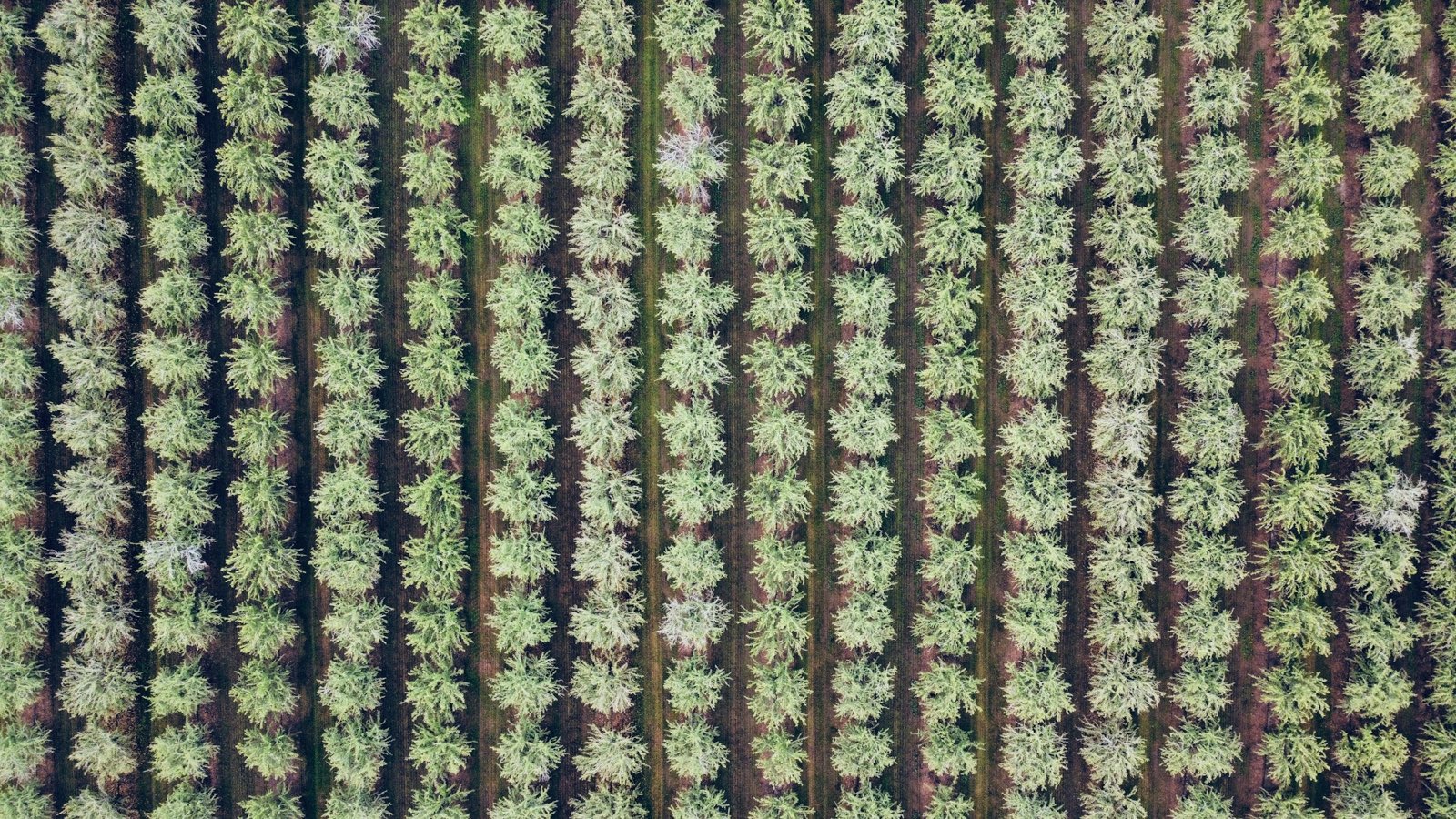
Ask anyone who buys farmland in California what matters most, and the answer is the same: water. The same soil can sell for several times more with a reliable supply than without one. Yet water is also the hardest part of a farm to see, document, and value.
This article explains the main sources of agricultural water in California, how reliable each tends to be, and how an appraiser turns that into a supportable number.
1. The main kinds of water
Most California farms rely on some mix of the following. Each comes with different rules and a different risk profile.
| Source | How it works | Main risk |
|---|---|---|
| Riparian right | Attaches to land that touches a natural stream, lake, or river. Shared with other riparian owners. | No storage; shortages in dry years; can be lost if the parcel is split off from the water. |
| Pre-1914 appropriative right | Water diverted and put to use before the state permit system began in 1914. | Proving the original quantity and continuous use. |
| Post-1914 appropriative right | Permit or license from the State Water Resources Control Board, for a set quantity and use. | Junior to older rights; curtailment in droughts; loss from non-use. |
| District water | Delivered by an irrigation or water district, often from federal or state projects. | Annual allocations that can drop sharply, even to zero, in dry years. |
| Groundwater | Pumped from wells, historically with few limits. | SGMA pumping allocations, falling water tables, well failure. |
2. District water: look at the record, not the contract
Land inside a district with a strong, senior supply is some of the most valuable farmland in the state. But district water varies a lot. Some Sacramento Valley districts with senior settlement contracts have received near-full supplies even in drought years. Some federal contractors south of the Delta have received zero percent allocations in several recent dry years.
An appraiser looks at actual delivery history, typically at least ten years covering both wet and dry years, and at the district's other supplies, groundwater banking, and costs per acre-foot. The question the market asks is simple: in a bad year, how much water will this land actually get?
3. Groundwater and SGMA
For most of California's history, a landowner could pump as much groundwater as they could use. The Sustainable Groundwater Management Act of 2014 ended that in most agricultural basins. Local Groundwater Sustainability Agencies now have to bring their basins into balance, generally within 20 years of adopting their plans, and many are doing it with per-acre pumping allocations, fees, and restrictions on new wells.
For value, this means:
- A parcel's "native" groundwater allocation, often expressed in acre-feet per acre, can be a better predictor of value than the number of wells on it.
- Land in critically overdrafted basins, especially in the southern San Joaquin Valley, has seen large price differences based on water status. Some basins have been placed on probation by the State Water Board.
- Some basins allow allocations to be traded or transferred, which creates a separate market for water and new evidence of value.
- Wells themselves still matter: depth, capacity, condition, and whether they're likely to go dry if the water table keeps falling.
In a bad year, how much water will this land actually get? That's the question the market is pricing.
4. Surface water rights
California's surface water system is a mix of riparian and appropriative rights, with seniority mattering a great deal. In drought years the State Water Board has issued curtailment orders telling junior rights holders to stop diverting.
When a farm has surface water rights, the appraiser reviews the Water Board's records (the eWRIMS database), statements of diversion and use, and any history of curtailment. Riparian rights deserve particular care: they generally attach only to the smallest parcel in the chain of title that still touches the water, so a parcel that was split away from the river in a past sale may have lost its riparian right unless it was expressly reserved.
5. How appraisers measure the difference
The best evidence of what water is worth is the market itself. The main techniques are:
- Paired sales. Compare sales of similar land that differ mainly in water, such as parcels inside and outside a district boundary, or with and without a surface water right. The price difference points to what buyers pay for the water.
- Grouped comparable sales. Separate sales by water source and reliability, then compare the typical price per acre in each group.
- Water transfer and allocation prices. Where water or groundwater allocations trade separately, those prices are direct evidence.
- Income analysis. Compare what the land would earn under full and reduced water supplies, including fallowing in dry years.
A good report doesn't just say "the property has adequate water." It describes each source, its history, its constraints, and how the comparable sales compare on each point.
6. Documents to pull together
- District statements and allocation history for the last ten years
- Well completion reports, pump tests, and recent power bills
- Any GSA allocation letters, meter records, or fees
- Water Board permits, licenses, and statements of diversion and use
- Deeds that reserve or convey water rights
- Any water banking, transfer, or exchange agreements
This article is general information about appraisal practice, not legal, tax, or investment advice. Rules change, and every property is different. Talk to your attorney or tax advisor about your situation.
Tell us the parcel and the deadline. We'll send a fixed quote within one business day.